



...disappeared from the
statistics, and analysts saw no change in interest rates as the
country is on track to meet conditions for adopting the euro.
    Inflation, calculated by EU methodology, measured 2.3
percent year on year in November, down from a 10-month high of
2.4 percent in October, the Slovak Statistics Office said on
Friday. Month on month, inflation was 0.4 percent, after 0.7
percent in October.
    "The annual decline in the inflation rate was caused by the
disappearance of last year's higher numbers (energy price
increases)," said Eduard Hagara, an analyst with ING Bank in
Bratislava.
    Annual inflation was slightly above analysts' forecast of
2.2 percent, and the central bank also said price growth was
above its prediction due to a bigger increase in food costs.
    "Overall inflation dynamic should slightly accelerate in
December from November, mainly due to faster year-on-year
dynamics of fuel prices," the NBS wrote in a statement.
    "Prices of food and services should also show higher
year-on-year dynamics," it added.
    Inflation has picked up speed since September due to higher
food costs, but the country still meets the condition for its
planned 2009 entry to the euro zone.
    Inflation is the main challenge for the plan to adopt the
euro. Under the Maastricht Treaty, Slovakia's EU-norm rate must
not exceed 1.5 percentage points above the average of three
lowest European Union national inflation rates.
    "Food and oil will prevail as the main driving factors for
HICP (EU-norm inflation), but since the same factors fuel
inflation in the EU and euro zone, we do not see significant
risk to the Maastricht criteria," said Piotr Matys, an analyst
with 4Cast in London.
    The central bank and analysts expect Slovak inflation to be
well below the euro adoption threshold when the country is
assessed next spring for joining the common currency area.
    However, Slovakia will also have to prove its inflation will
stay low over time to qualify for the euro zone entry.
    Central bank Governor Ivan Sramko said earlier this week
that the debate on inflation sustainability would be more
complex if the rate rose closer to the reference value.
    The central bank will decide on interest rates on Tuesday,
and analysts widely expect the main two-week repo rate to stay
at 4.25 percent for the eighth month in a row.
    Analysts said latest inflation data could signal some risks
of demand-led pressures in the fast growing economy, and this
should ensure a cautious monetary policy approach.
    "The central bank could pay more attention to prices of
services, which it can influence through monetary policy, and to
household consumption, which was high in the third quarter,"
ING's Hagara said.
 (For details of November inflation data please double click on
[ID:nBSD000014])
 (Writing by Peter Laca and Martin Santa; editing by Tony
Austin)

  Keywords: SLOVAKIA ECONOMY/INFLATION
[BRATISLAVA/Reuters/Finance.cz]


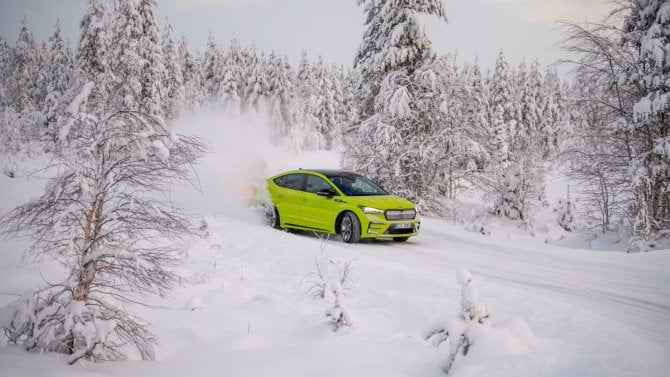 Elektromobilistům nastávají krušné časy. Elektromobily v mrazu ztrácejí až 40 % dojezdu a nabíjí se velmi pomalu
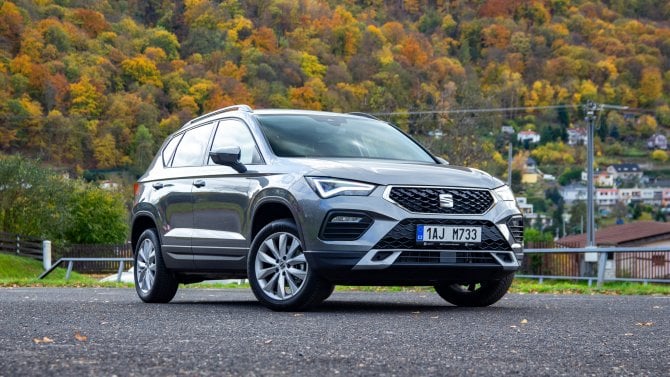 Test Seat Ateca: Zlaté staré časy aneb jistota v rozbouřených vodách a za dobrou cenu
 Šidit, svařovat totálky, kitovat a stáčet tachometry aneb v kůži polského autobazaru. Vyzkoušet pochybné praktiky si teď může každý
 Řidiči, držte si klobouky. V nadcházejícím roce se změní řada věcí. Víme, které to budou
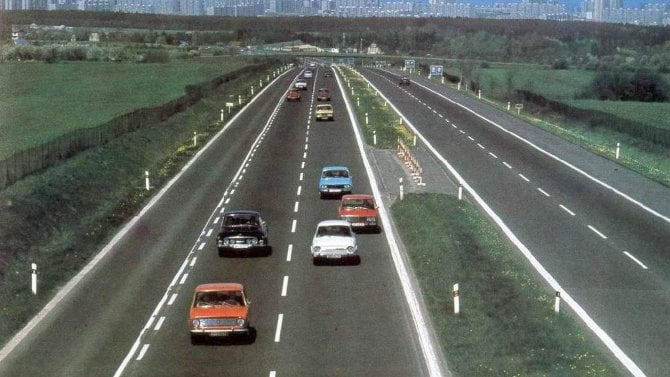 Až budete stát v koloně na D1, můžete slavit. Dálniční propojení Prahy a Bratislavy se otevřelo před 45 lety
